Cedar Hills, Utah
Your dream yard. Done right. Done on time.
Tell us about your project. Jackson gets back to you fast.
Grading, drainage and retaining walls for Cedar Hills bench lots, from family yards off Cedar Hills Drive to hillside lots in The Cedars and Canyon Heights.
“Sidewalks, retaining wall, and raised garden are all beautifully done.”
“I will definitely use you again for any future landscaping needs.”
Grading and Retaining Walls in Cedar Hills
Cedar Hills was built on a bench, and early settlers just called it The Bench. That ground is an old Lake Bonneville shoreline and alluvial fan, and some of it has moved. A recurring landslide, most recently in August 2005, forced evacuations here. In 2011 the Planning Commission clarified how the city measures its 30 percent grade rule, to keep building from creeping toward dangerous ground. People in town remember, and it shapes how slopes get handled.
That history is why the rules here are tighter than most people guess. Cedar Hills asks for an installation permit on retaining walls even under 48 inches, measured from the bottom of the footing to the top of the wall, with two sets of plans. Walls over 4 feet must follow an approved site plan and carry a professional engineer's stamp. If your lot slopes more than 10 percent, the site plan also needs topographic detail.
Up in the H-1 Hillside zone, which takes in The Cedars and Canyon Heights, ground at 30 percent slope or steeper stays natural. Grading, filling or digging there needs a grading permit from the city engineer, and geotechnical and drainage reports come into play. We walk through those rules with you in plain words, then confirm the current version with the city before any machine shows up.
Cedar Hills calls itself Utah's mile-high city, a family town on the bench at the mouth of American Fork Canyon where even a short retaining wall needs a permit, the secondary water is metered, and hillside lots in The Cedars and Canyon Heights follow their own grading rules.
Know your Cedar Hills ground
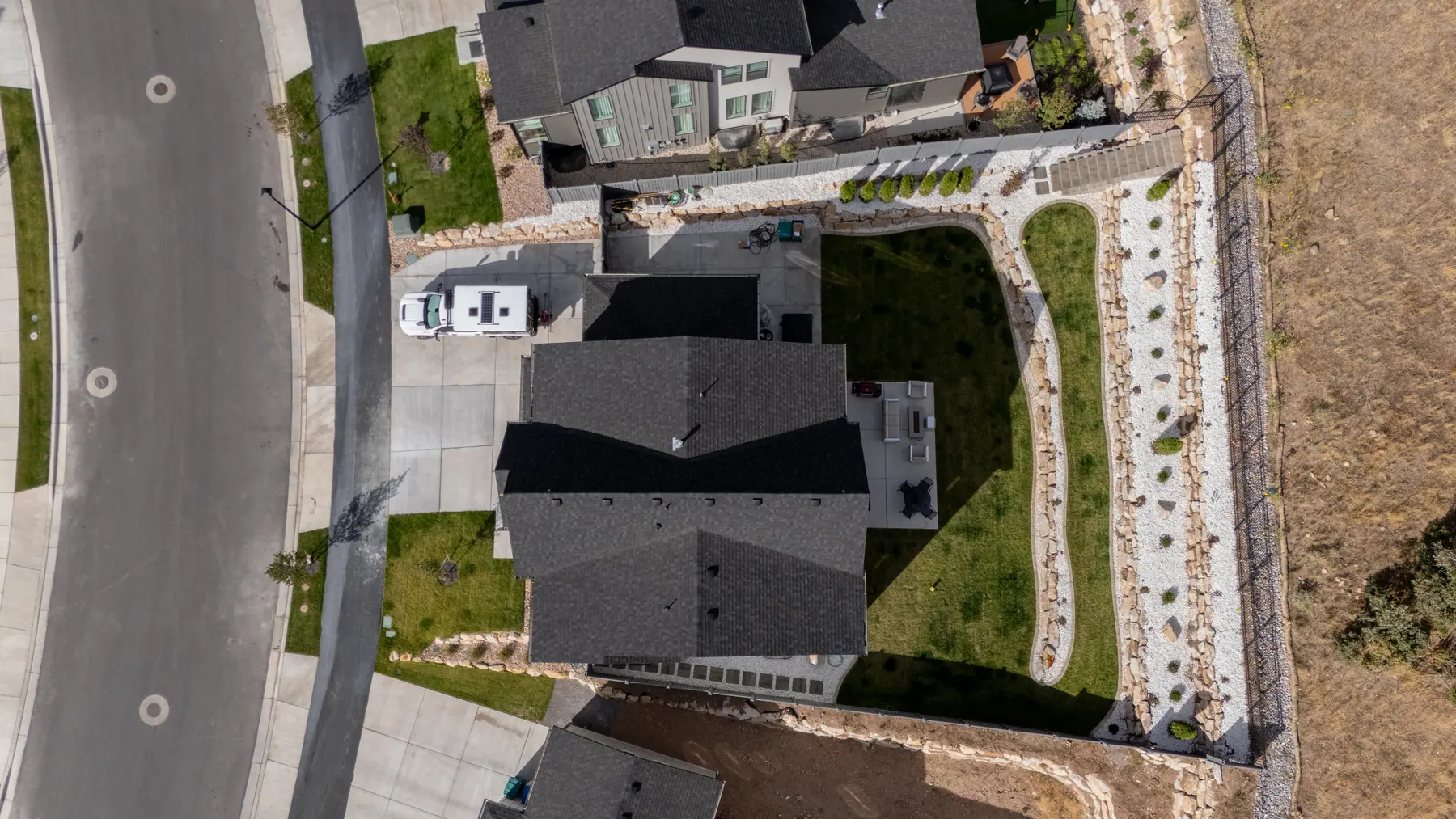
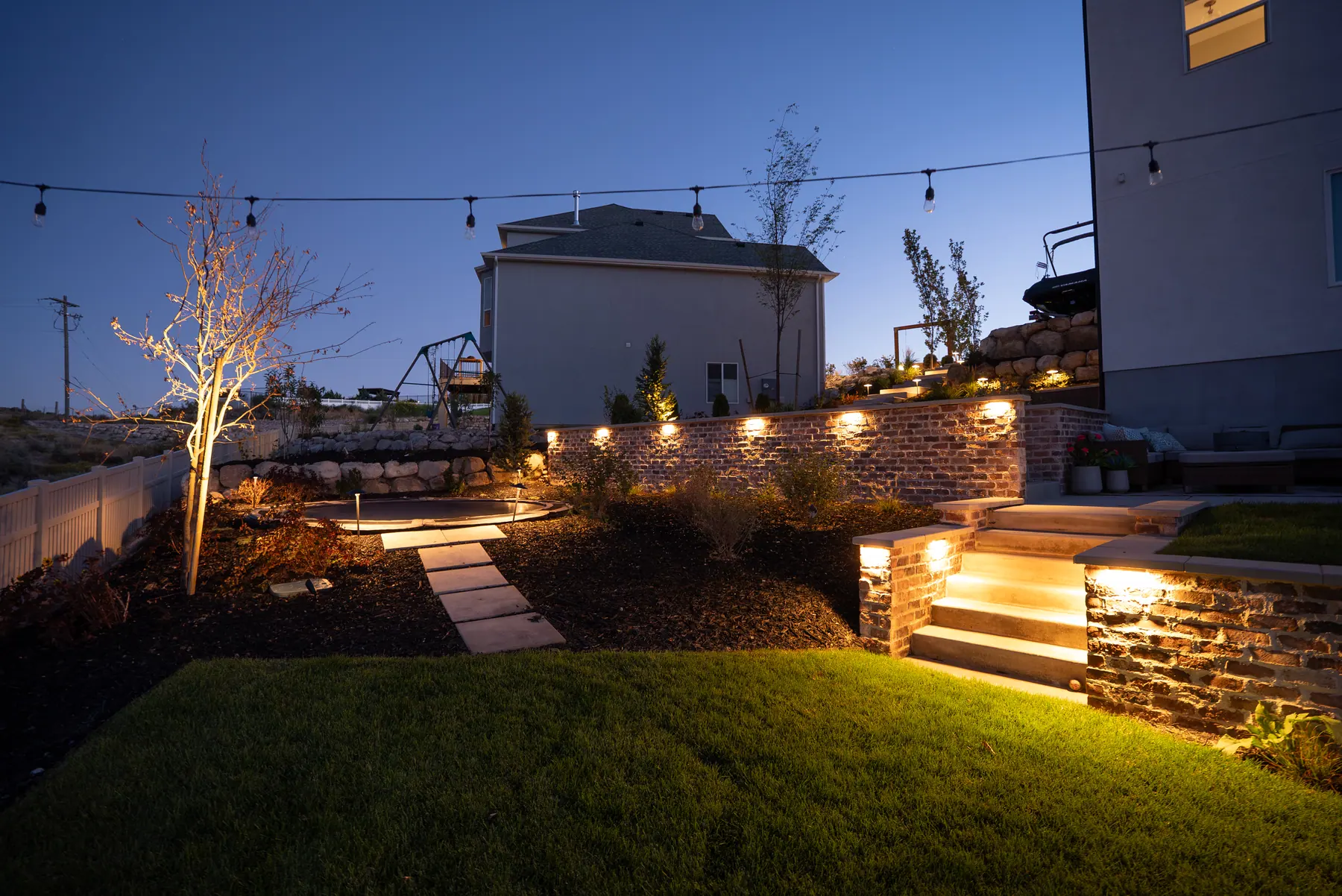
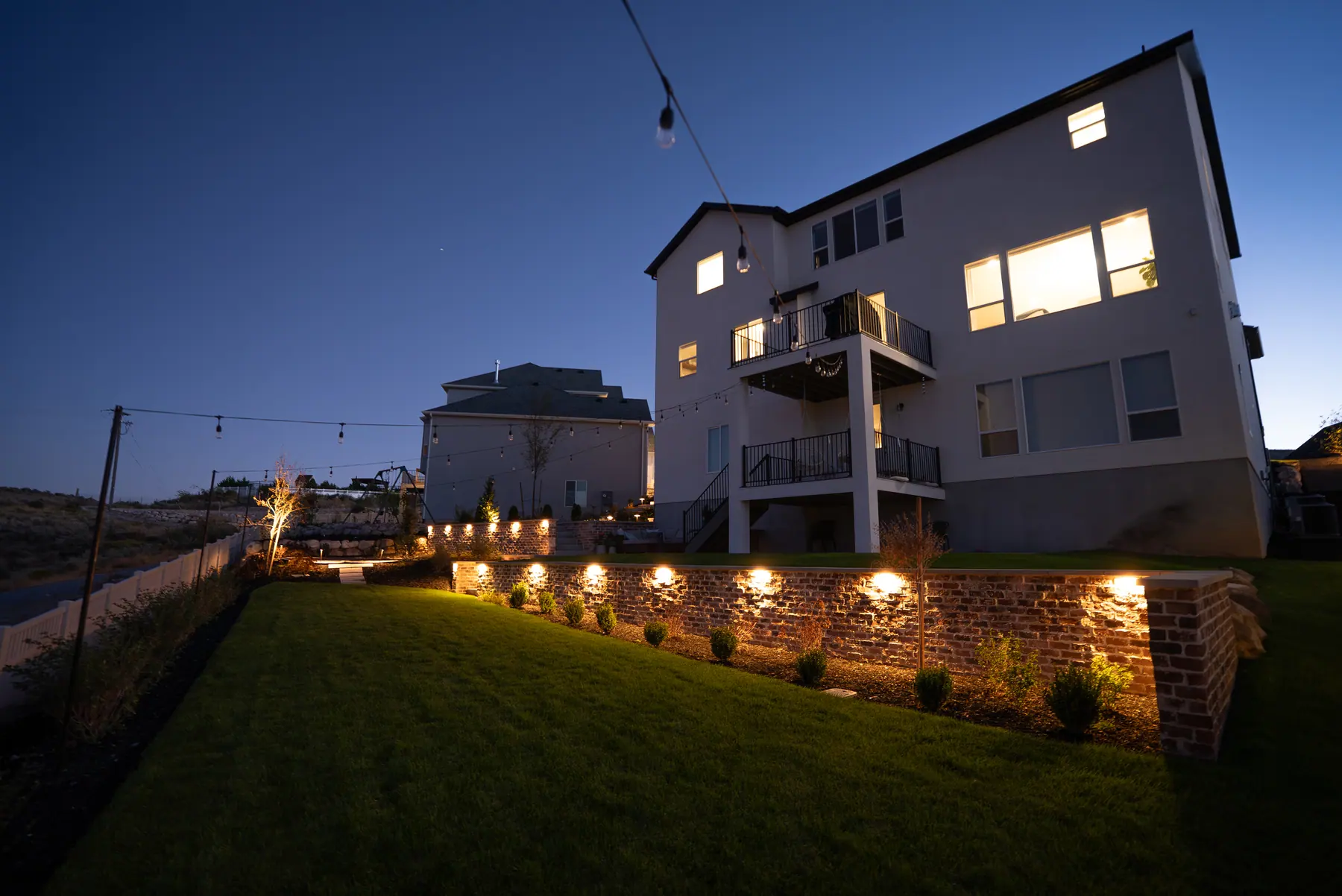
The Cedar Hills challenges
Lots of homeowners assume a 3 foot wall is too small to matter. In Cedar Hills it still needs an installation permit. Skip it, and the wall can come up at resale or when a neighbor complains, and fixing it after the fact is slower and costs more than doing it first.
Most lots here have at least a 5 foot easement around the edge. A retaining wall built there without a permit can leave you paying full restoration if the city has to dig for a line. We find the easement before we pick the wall's spot, not after the block is stacked.
Loose fill pushed against a wall settles, holds water and pushes back. City design standards keep rocks over 6 inches out of fill and set compaction targets for it. A crew that dumps fill and tracks it in with the skid steer is building next year's lean.
Carving a bigger flat yard out of a steep slope is tempting. On H-1 lots, ground at 30 percent stays natural, and natural vegetation can only be cleared for the house, yard, driveway and similar uses. Cut without a grading permit and you could be told to put the hill back.
The J&H approach
We shoot grades across your lot, mark the easement and find where water goes during snowmelt. If the slope tops 10 percent, that topo detail goes into the site plan the city wants. The plan sets wall heights before a single block gets ordered.
Short walls get an installation permit and a real build: compacted base, drain rock and a perforated pipe that daylights. Walls over 4 feet get a licensed engineer's stamped design, and we build to it exactly. Two short walls spaced too close get treated like the one tall wall they act like.
City standards keep cut slopes no steeper than 2 to 1 and fill slopes no steeper than 3 to 1. We shape the yard inside those limits, so banks hold, plants can root and mowers do not tip. Where a slope cannot get there, a wall or terrace does the work.
From our job sites
Short videos from real J&H job sites. Tap one to play it with sound.
What homeowners say
"We had a really big project (full lot project) and a crazy timeline, and Jackson and his team were awesome. They are very efficient, work hard to get things done quick, and the quality of their work is top-notch. Great company. Great guys. I would highly recommend them for any landscaping needs."
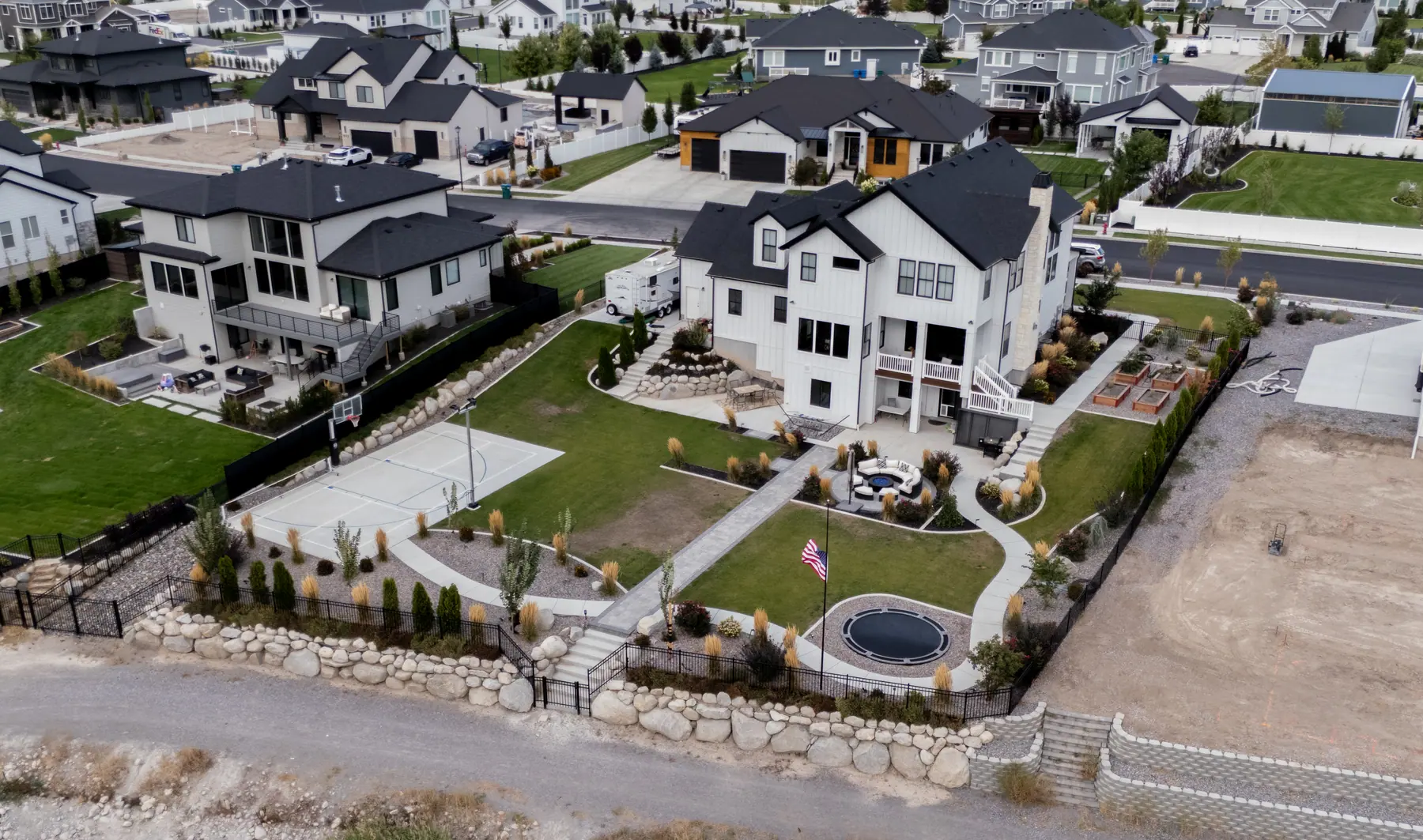
"Jackson and his crew did a phenomenal job on our back yard. I had a vision and they brought it to life. We had them do a retaining wall, grading, underground trampoline, sprinkler system, and sod. They met deadlines, communication was on point, and the whole crew was friendly.…"
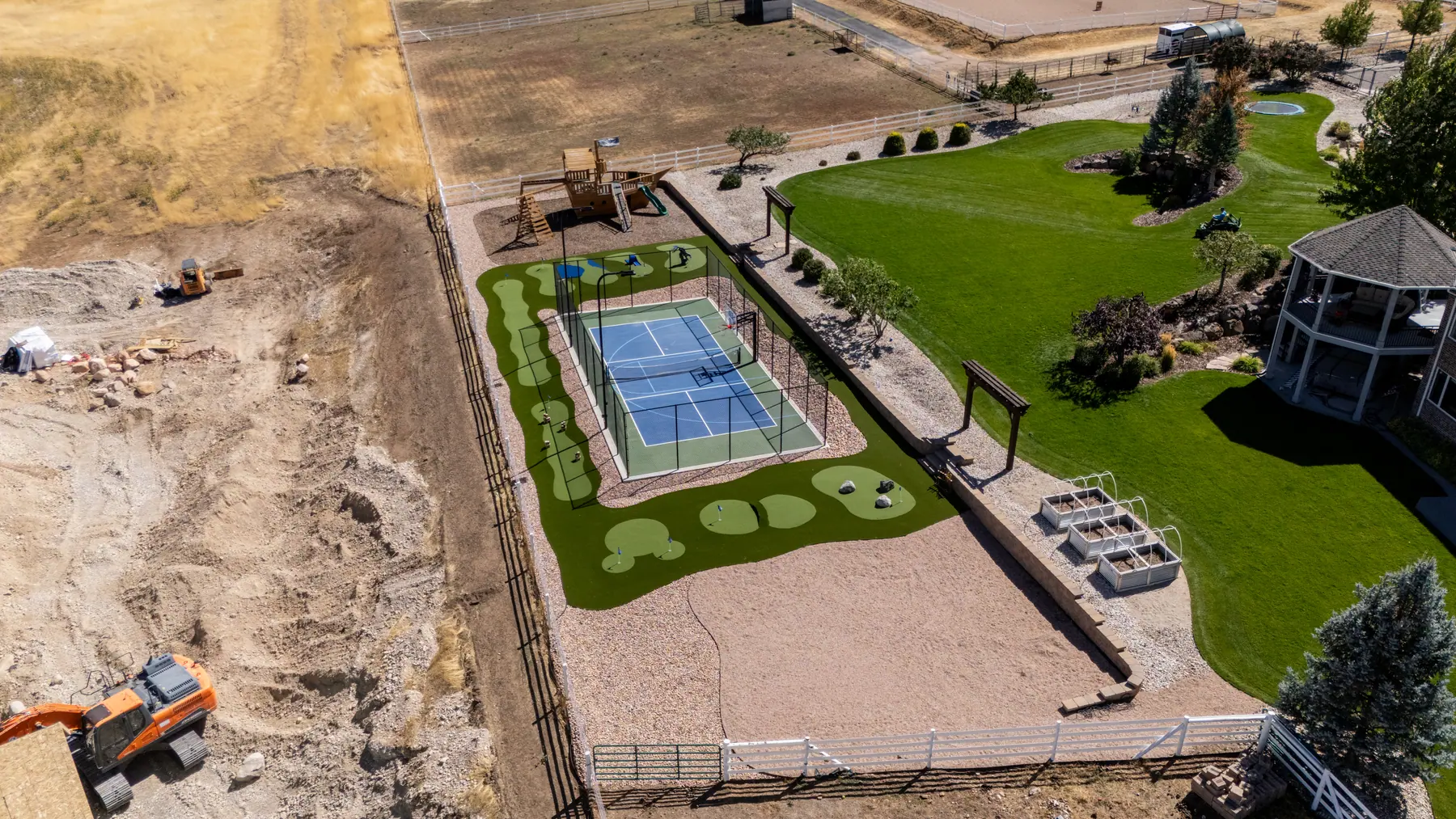
"…The job was completed quickly without sacrificing quality, and the results exceeded our expectations. We would absolutely hire this team again and recommend them to anyone looking for landscaping help."
Everything we do in Cedar Hills
Hiring in Cedar Hills?
Grading and Retaining Walls near Cedar Hills
Cedar Hills questions
Your dream yard. Done right. Done on time.
Tell us about your project. Jackson takes a look and gets you an honest quote, no pressure.