Highland, Utah
Your dream yard. Done right. Done on time.
Tell us about your project. Jackson gets back to you fast.
Grading, drainage and retaining walls for Highland lots, from the bluffs on the south edge of the bench to the slopes up toward the mountain, built to the city's wall code.
“In 2 days they graded and spread all of the topsoil, and had it raked and ready for sod delivery the next day.”
“they will definitely be my go to landscaper for many years!”
Grading and Retaining Walls in Highland
Highland is stricter about retaining walls than a lot of towns. Development Code 3-612 says every retaining wall needs approval from the city before it is built, short ones included. Once a wall reaches 4 feet, or holds back a load like a driveway or a building, it needs a building permit with a stamped engineered plan and a drainage plan. The city's forms measure height in slightly different ways, so we ask before betting on a wall that sits right at 4 feet.
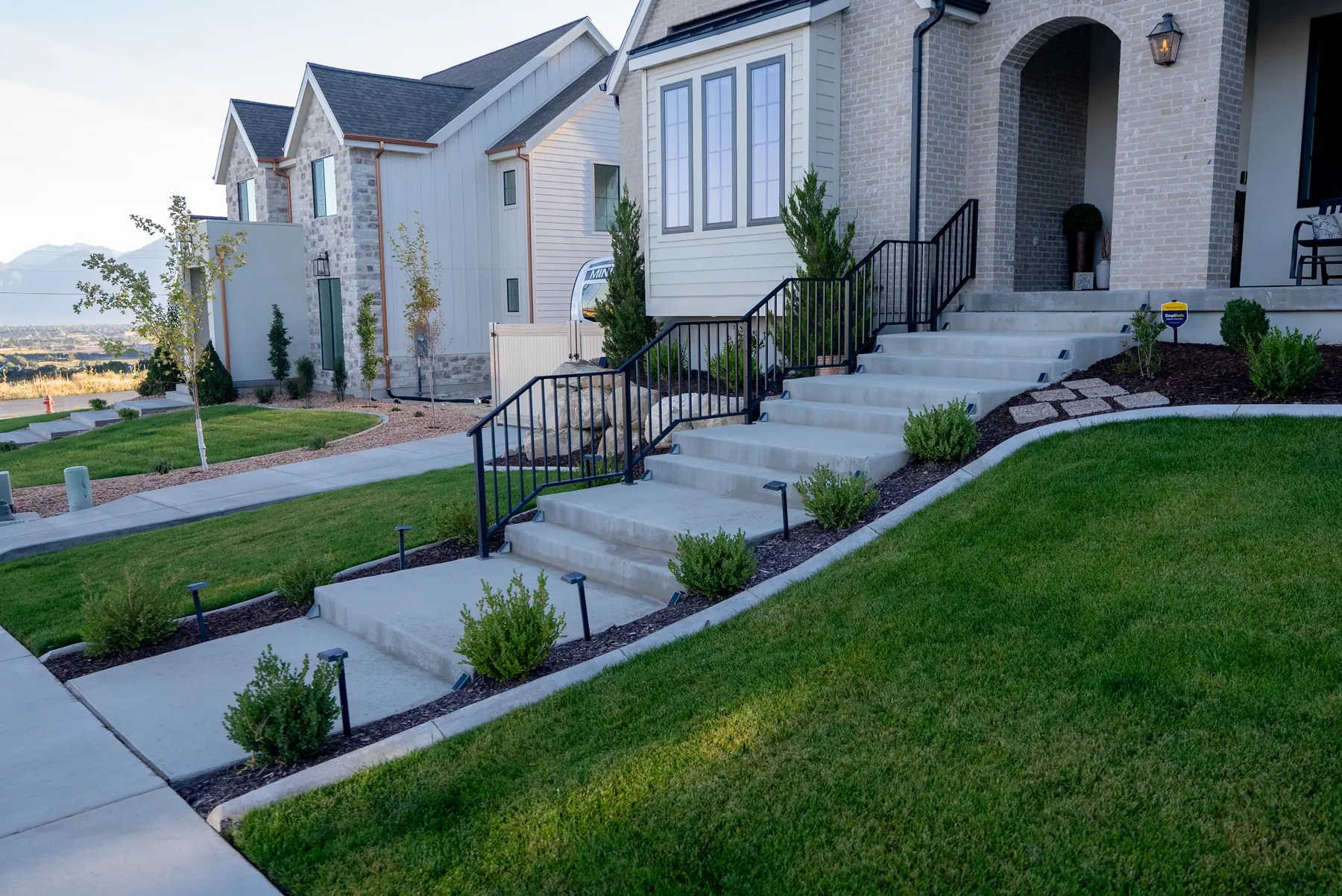
More limits stack on top. A wall in the front yard has to sit at least 10 feet back from the front property line and show no more than 4 feet. Elsewhere it tops out at 6 feet exposed. Two walls stepped up a slope need a foot of flat space between them for every foot of height. A fence on top of a wall can reach 8 feet combined, measured from the low side. And walls stay out of utility easements.
The slope rules matter too. Code 8-105 bars development on slopes over 25 percent, caps graded slopes at 3 to 1 and does not allow benching or terracing a hillside to make bigger building sites. Up by the mountain edge and along the bench bluffs, that shapes what your yard can be. We plan inside those lines from day one and confirm current rules with the city.
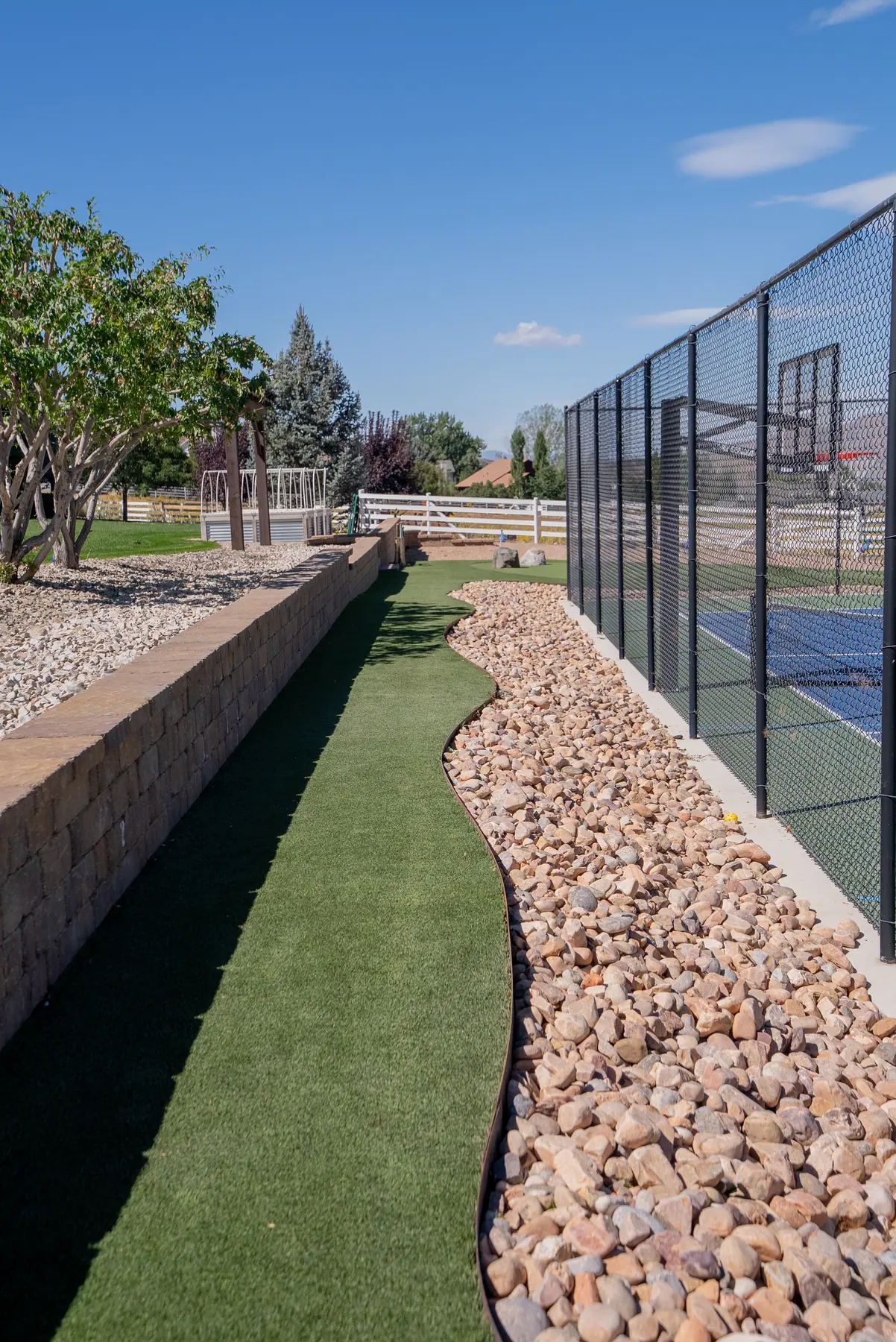
Highland is the big-lot town on the bench above Lehi and American Fork, where many lots are an acre or close to it, courts and horse areas share the yard, deer browse the gardens and every retaining wall goes through the city first.
Know your Highland ground
The Highland challenges
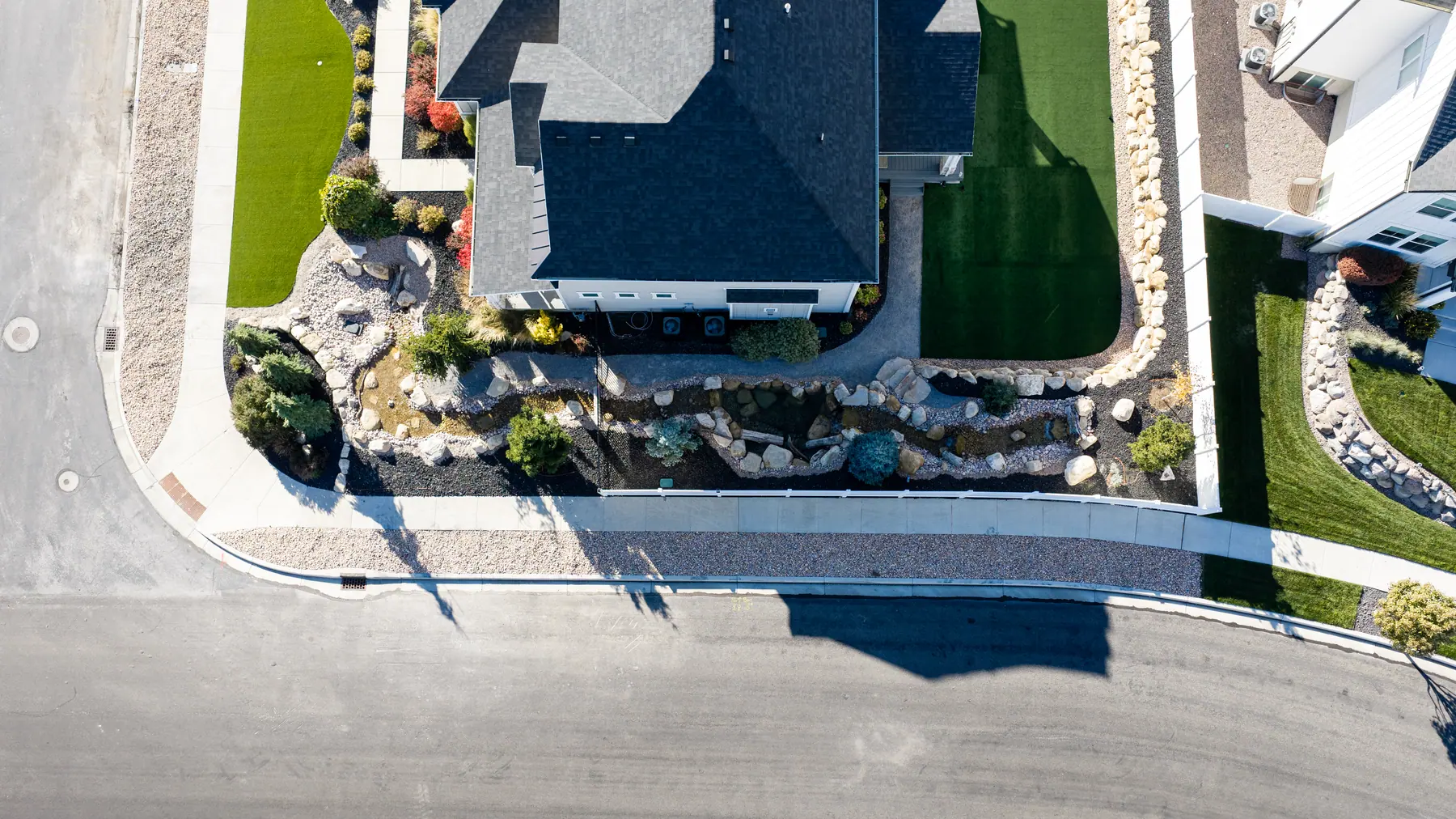
In April 2023 the city held a sandbag day with about 250 volunteers and named the Dry Creek area as a worry. Yards up in Dry Creek Highlands and Dry Creek Bench need grading that moves water away from the house and toward a legal spot instead of into a neighbor's window well.
Highland asks for a drainage plan with a permitted wall for a reason. The city wants runoff kept on your lot or sent to an approved spot. A wall with no drain rock or pipe behind it traps water, and the freeze pushes it out of line within a few winters.
USGS rates much of the ground along the mountain front as fair to poor for drainage, with lots of silt and fine sand. It stands well in a cut while it is dry. Wet, it moves. We design the cut, the fill and the wall base with that in mind.
Two short walls stacked close together act like one tall wall, and Highland requires a foot of flat ground between terraced walls for each foot of height. Get that wrong and you could be told to change a wall after it is built. We lay out terraces to the rule on paper first.
The J&H approach
We shoot elevations across your lot and the lots around it, and we find the utility easements on your plat before we draw a single wall. Highland does not approve walls over storm drain, culinary, PI or sewer lines, so we locate them first.
Every wall goes to the city for approval. For walls 4 feet and up, or with a surcharge, we bring in a licensed engineer for the stamped plan and the drainage plan, then submit. Shorter walls still get drain rock, pipe and a compacted base.
Natural boulder and stone walls suit Highland's big lots and blend into the hillside. We set the base course below grade, backfill with clean rock and plant the slopes above and below so the soil holds and the wall looks like it has always been there.
From our job sites
Short videos from real J&H job sites. Tap one to play it with sound.
What homeowners say
"We had a really big project (full lot project) and a crazy timeline, and Jackson and his team were awesome. They are very efficient, work hard to get things done quick, and the quality of their work is top-notch. Great company. Great guys. I would highly recommend them for any landscaping needs."
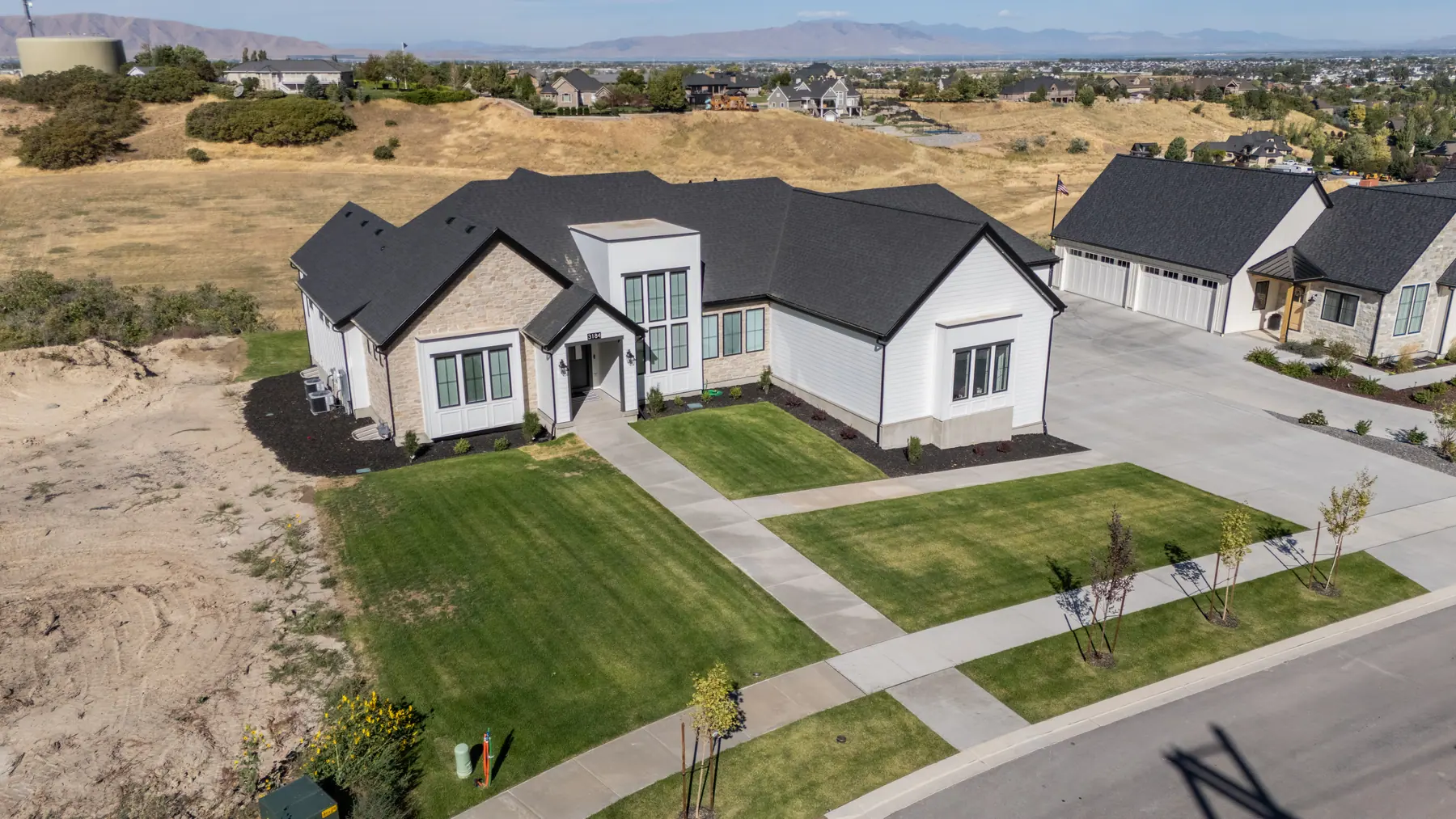
"Jackson and his crew did a phenomenal job on our back yard. I had a vision and they brought it to life. We had them do a retaining wall, grading, underground trampoline, sprinkler system, and sod. They met deadlines, communication was on point, and the whole crew was friendly.…"
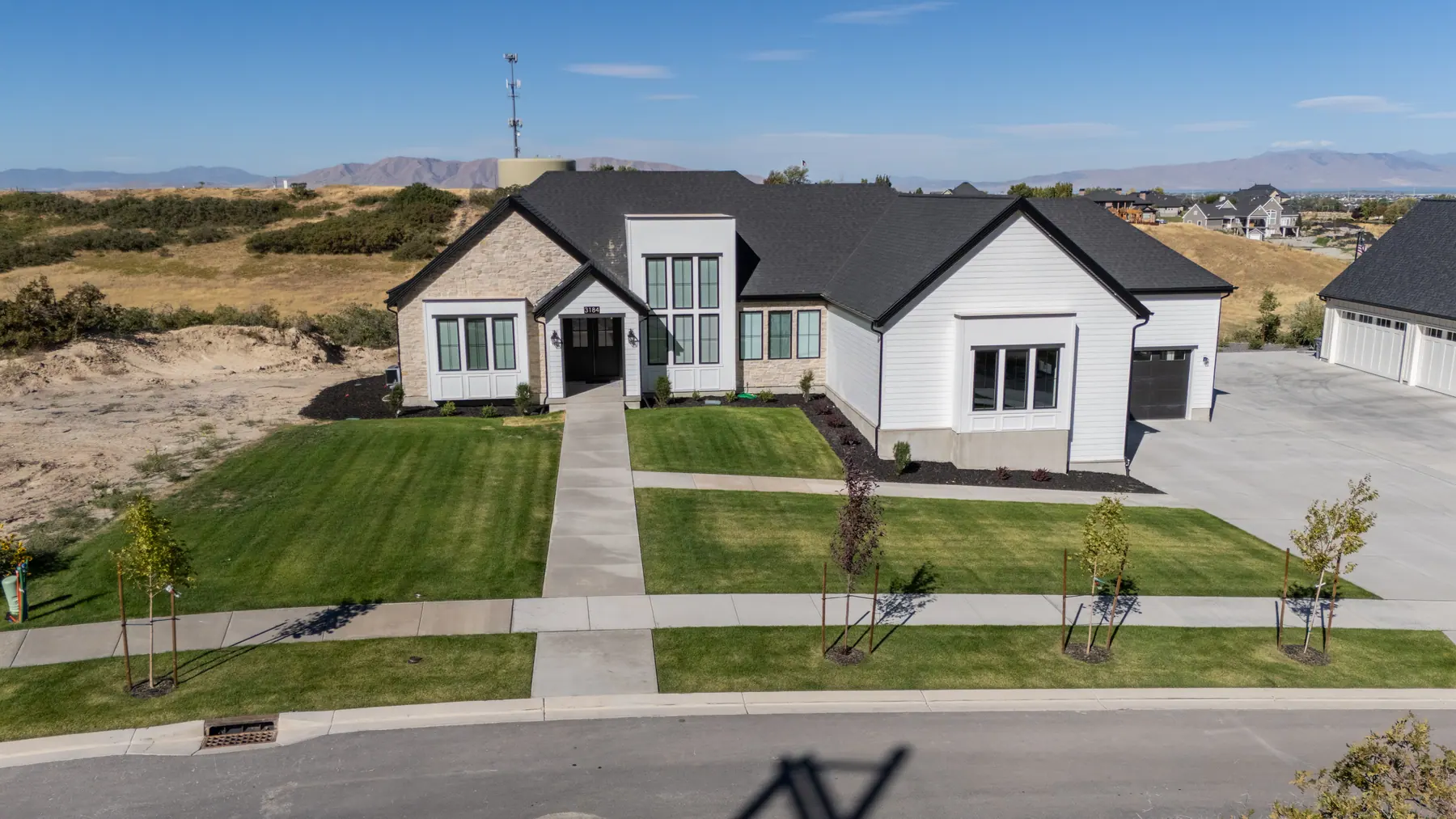
"…The job was completed quickly without sacrificing quality, and the results exceeded our expectations. We would absolutely hire this team again and recommend them to anyone looking for landscaping help."
Everything we do in Highland
Hiring in Highland?
Grading and Retaining Walls near Highland
Highland questions
Your dream yard. Done right. Done on time.
Tell us about your project. Jackson takes a look and gets you an honest quote, no pressure.