Woodland Hills, Utah
Your dream yard. Done right. Done on time.
Tell us about your project. Jackson gets back to you fast.
Grading, drainage and retaining walls for steep Woodland Hills lots, from the first terrace cut to engineered walls, geotech reports and the inspections the city requires.
“Sidewalks, retaining wall, and raised garden are all beautifully done.”
“We would absolutely hire this team again and recommend them to anyone looking for landscaping help.”
Grading and Retaining Walls in Woodland Hills
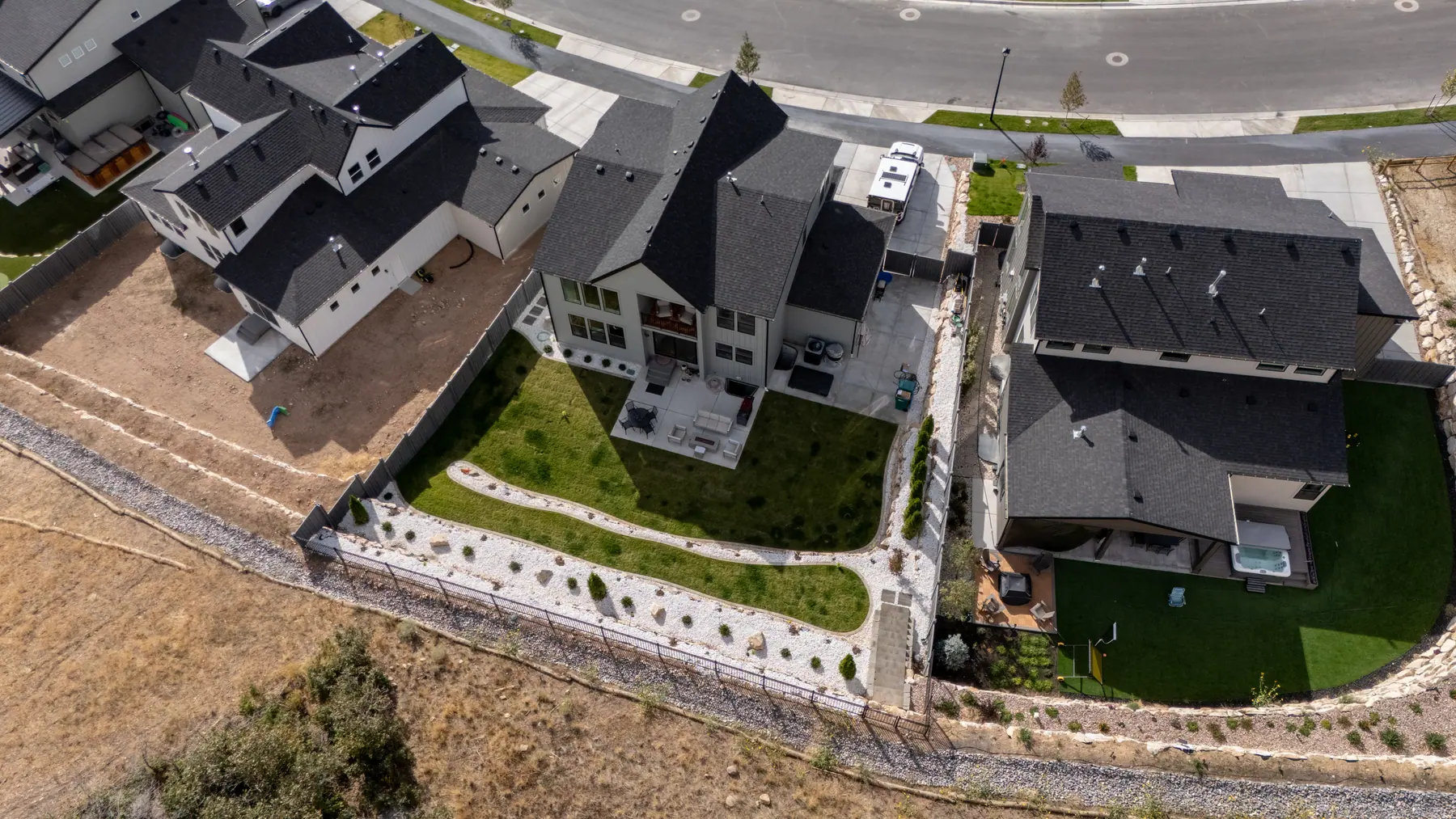
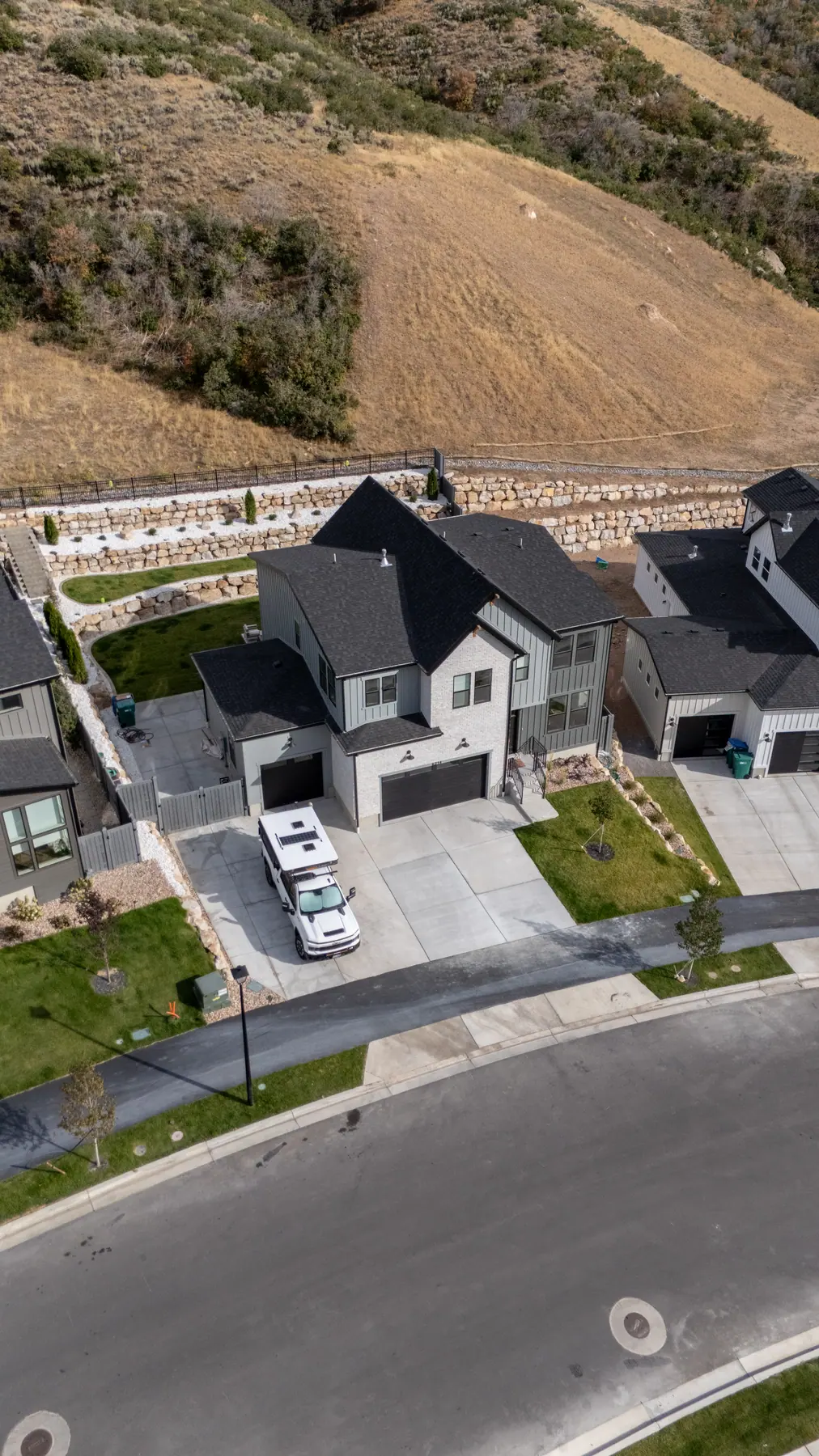
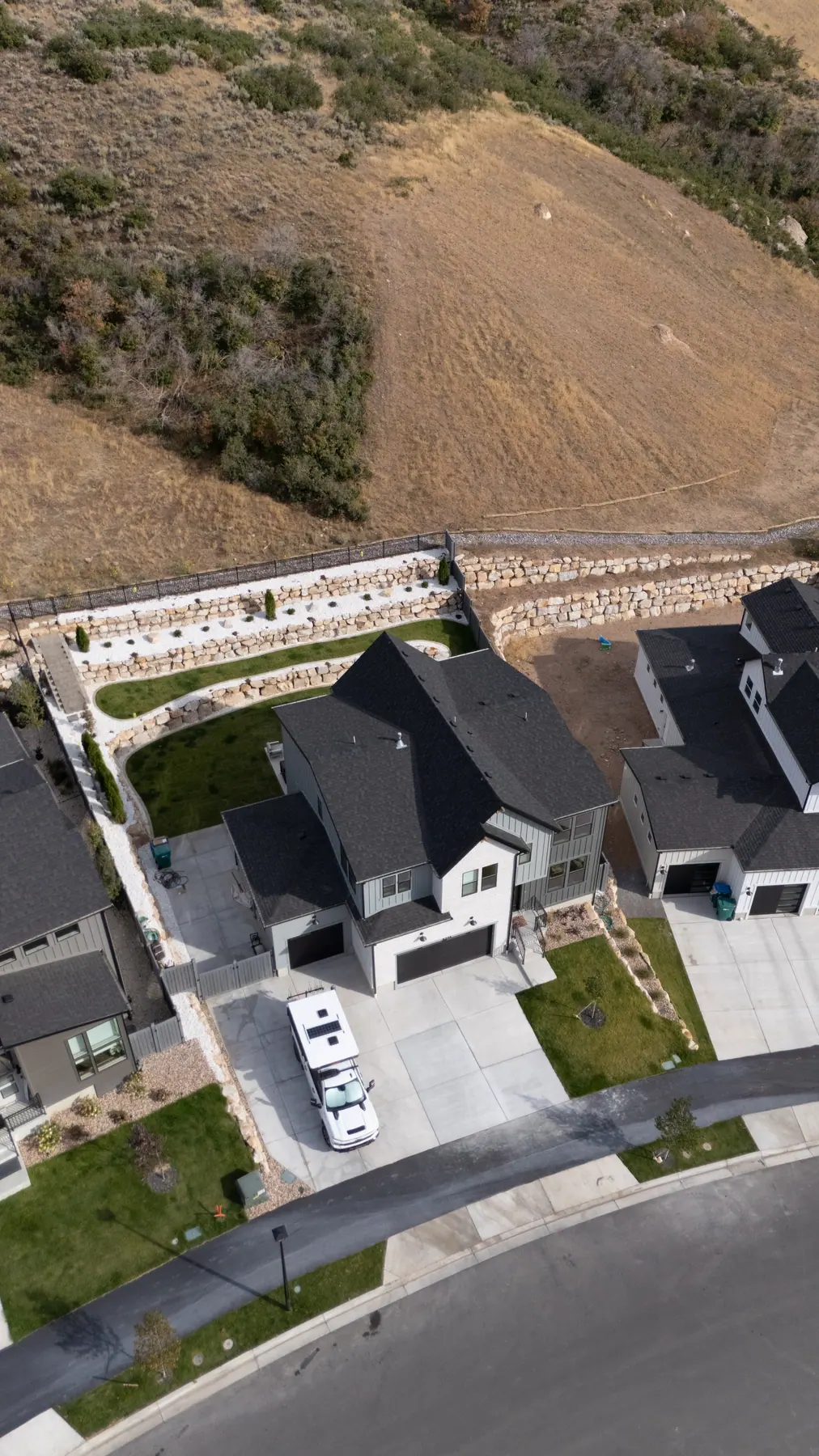
Woodland Hills climbs from about 5,000 feet at its lower edge to over 6,200 feet at the south end, with roughly 1,200 feet of rise across a small town. That is why grading is most of the work on a lot up here. A yard that sheds water the wrong way can wash out a slope, fill a window well or send mud down onto Woodland Hills Drive. Walls are how you get flat ground to use, and they have to hold.
The city spells out the triggers in its building permit packet. A retaining wall over 4 feet, or one steeper than 2 to 1, needs engineering and inspection. A block or rock wall needs a letter from the engineer at final inspection, and a concrete wall gets footing and rebar inspections. Your site plan needs topography if the lot slope is over 10 percent, and a geotech report with a slope stability check once it passes 15 percent.
There is more to plan around. An active fault trace crosses town, and lots in a mapped hazard area can need a natural hazard study by a licensed geologist or engineer. The burn scars left by the 2018 fires raised landslide and flood risk on some slopes above town. And on a septic lot, the drain field has to stay out of the cut, out of the fill and out from under any wall footing.
Woodland Hills rises about 1,200 feet from its lowest homes to its highest, most lots run on septic, every yard drinks metered city water and the whole town is treated as wildland-urban interface, so a yard here gets planned around slope, drain field and fire before anything else.
Know your Woodland Hills ground
The Woodland Hills challenges
Some crews stack a wall a little over 4 feet and hope nobody measures. In Woodland Hills a wall over 4 feet, or steeper than 2 to 1, needs engineering and inspection, and a wall built without it can fail an inspection or hold up a home sale. Fixing it after the fact means tearing it down.
With 20 to 25 inches of precipitation a year and snow that lingers, spring melt on a slope is a lot of water at once. When grading sends it toward the house, or a wall has no drain rock and pipe behind it, the water builds pressure, freezes and pushes the wall out.
Cutting a terrace makes dirt, and the easy place to drop it is the flat spot downhill. On a septic lot that flat spot is often the drain field. Piling fill on it, or running loaded equipment across it, can crush the lines and smother the field.
Every driveway in Woodland Hills needs a culvert under it, and driveways can run as steep as 15 percent on the centerline. When new grading or a wall changes how ditch water moves, a crushed or blocked culvert sends runoff across your yard instead of along the road.
The J&H approach
We start with the real slope. If your lot is over 10 percent, the site plan needs topography, and over 15 percent a geotech report with a slope stability check. We line up the surveyor, geotech and engineer early, so the design fits the ground and the permit.
Engineered walls follow the engineer's spec for footing, block or rock, geogrid and drainage. We book the city inspections and get the observation letter that non-concrete walls need. Shorter walls still get a compacted base, drain rock and pipe that daylights.
We break a steep yard into terraces sized to stay in a safe height range, slope each one away from the house and carry the water to a safe outlet. Fill goes where the plan says it goes, and never onto the drain field.
From our job sites
Short videos from real J&H job sites. Tap one to play it with sound.
What homeowners say
"We had a really big project (full lot project) and a crazy timeline, and Jackson and his team were awesome. They are very efficient, work hard to get things done quick, and the quality of their work is top-notch. Great company. Great guys. I would highly recommend them for any landscaping needs."
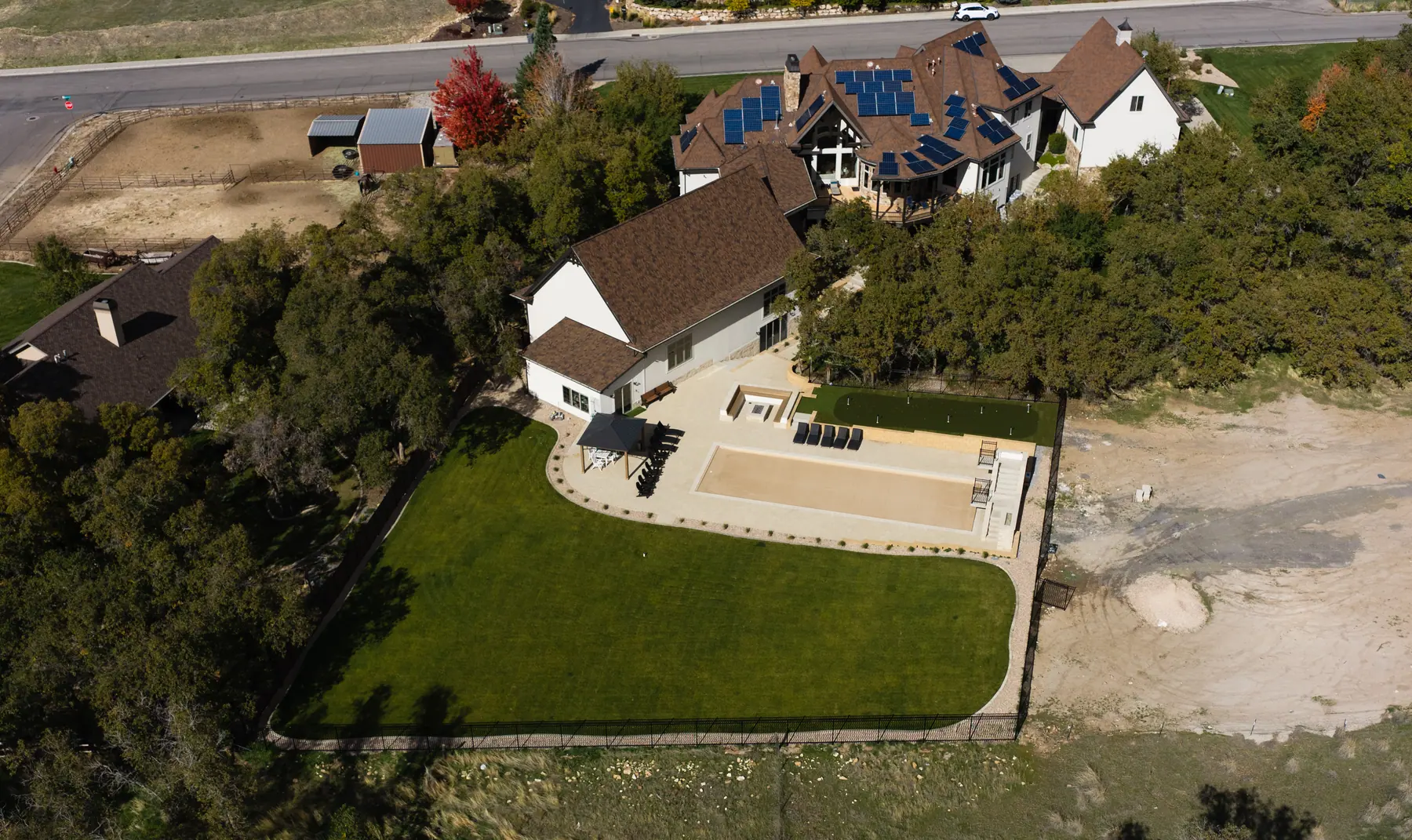
"Jackson and his crew did a phenomenal job on our back yard. I had a vision and they brought it to life. We had them do a retaining wall, grading, underground trampoline, sprinkler system, and sod. They met deadlines, communication was on point, and the whole crew was friendly.…"
"…The job was completed quickly without sacrificing quality, and the results exceeded our expectations. We would absolutely hire this team again and recommend them to anyone looking for landscaping help."
Everything we do in Woodland Hills
Hiring in Woodland Hills?
Grading and Retaining Walls near Woodland Hills
Woodland Hills questions
Your dream yard. Done right. Done on time.
Tell us about your project. Jackson takes a look and gets you an honest quote, no pressure.