J&H Landscaping logo featuring stylized trees and a sunset, representing landscaping services in Provo, Utah.

Utah County Landscaping Trends — What to Expect in 2025

Utah County homeowners face a unique mix of choices shaped by a semi‑arid climate, shifting elevations, and a growing preference for low‑maintenance, water‑smart yards. This guide breaks down the top landscaping trends for 2025, practical best practices for long‑lasting outdoor spaces, and clear steps you can take to cut water use while boosting property value and year‑round enjoyment. You’ll learn how xeriscaping and native plant palettes cut irrigation needs, why modern hardscaping materials last longer, and which design rules create cohesive, low‑effort landscapes. We also cover outdoor‑living features—patios, kitchens, fire elements—and how to prioritize them for Utah County conditions. Finally, the article explains how local contractors bring these ideas to life and how to request a custom landscaping quote. With straightforward definitions, actionable lists, and comparison tables, this resource helps homeowners plan resilient, attractive yards that fit local conditions and lifestyle goals.

What challenges and opportunities does Utah County’s landscape present?

Utah County’s sites come with three main constraints: limited water supplies, a range of soils with different drainage characteristics, and many microclimates driven by elevation and sun exposure. Those limits push designers to budget water, choose plants that tolerate drought and freeze‑thaw cycles, and use hardscape solutions that control runoff and erosion. But those constraints also create opportunities: native plant palettes that support pollinators, xeriscape techniques that meaningfully reduce irrigation, and permeable paving that improves stormwater management and long‑term durability. The sections that follow translate water, climate, and soil realities into concrete design choices homeowners can use.

How does water scarcity shape landscaping design in Utah County?

Because water is limited here, good design starts with a water budget: group plants by needs, cut down on turf, and favor irrigation that targets roots instead of spraying leaves. Zone‑based drip systems and smart controllers cut waste by delivering water only when and where it’s needed, and mulches plus soil amendments hold moisture so you can water less often. Many homeowners reduce outdoor water use 30–60% by switching to xeriscaping and efficient irrigation while keeping yards attractive and usable. These water‑wise steps naturally lead into plant and soil choices that perform through Utah County’s weather extremes.

Common water‑saving strategies for Utah County yards:

  1. Group plants into hydrozones so irrigation matches actual needs.
  2. Replace thirsty turf with native groundcovers or permeable hardscape.
  3. Install drip irrigation and smart controllers to cut evaporation and waste.

Viewed this way, water scarcity becomes a design advantage — stretching resources while improving landscape performance.

What local climate and soil factors should homeowners plan for?

Expect wide day‑to‑night temperature swings, winter freeze‑thaw cycles, and soils that range from free‑draining sandy loams to compacted clay. Those conditions affect drainage and root health, so soil testing is essential: simple pH and percolation tests point to the right amendments (compost, gypsum, organic matter) to improve structure and fertility. Design responses include raised beds where drainage is poor, graded slopes and swales to manage runoff, and choosing plants tolerant of alkaline soils and temperature variation. Mapping microclimates — sun, shade, wind corridors, and warm pockets near the house — lets you place sensitive species where they’ll thrive and reserve exposed areas for hardscape or hardy plants.

Quick soil‑and‑climate checklist for homeowners:

  1. Test soil texture and pH before planting.
  2. Amend heavy clay with compost or use raised beds where needed.
  3. Map microclimates to guide plant placement and hardscape siting.

These practical steps create planting conditions that are resilient and lower long‑term upkeep, which leads into the trends reshaping local landscape design.

Which landscaping design trends are shaping Utah County in 2025?

In 2025 the local focus is sustainability, contemporary hardscaping, expanded outdoor living, and ecological support for pollinators and wildlife. Homeowners are pairing xeriscape plantings with permeable, natural‑looking hardscapes to balance water efficiency and modern style. Materials and layouts favor durability and low maintenance while supporting year‑round use through covered patios, integrated heating, and multifunctional outdoor kitchens. The sections below look at how xeriscaping and hardscaping materials are being used locally and include a concise comparison of the top trends and their benefits for Utah County homes.

How are xeriscaping and native plants changing local gardens?

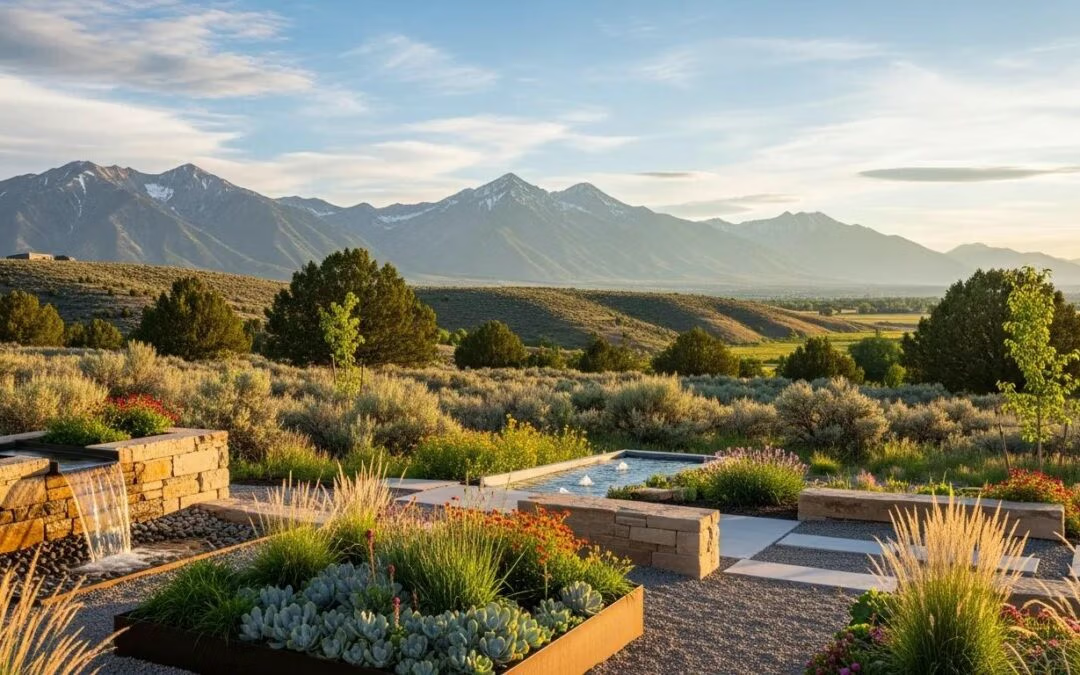
Xeriscaping replaces high‑water turf with layered plantings of drought‑tolerant natives, mulched beds, and targeted irrigation to create attractive, resilient yards that need less care. Native plants support pollinators, cut fertilizer needs, and establish more quickly with lower summer water once rooted in, producing clear water savings and ecological benefits. Typical palettes include low‑water grasses, shrubs, and perennials chosen for local hardiness and seasonal interest, grouped by water need to maximize efficiency. The next section contrasts hardscaping choices that complement xeriscapes while handling stormwater and durability concerns.

Xeriscape implementation steps for homeowners:

  1. Remove or reduce turf and replace it with native groundcovers or permeable paving.
  2. Group plants into hydrozones and run drip irrigation on timers.
  3. Mulch beds to conserve moisture and suppress weeds.

These steps turn aesthetic goals into practical, water‑wise yards that fit Utah County properties.

Introductory table: Below is a quick comparison of the top 2025 trends, their defining features, and the local benefits for Utah County homeowners.

TrendCharacteristicLocal Benefit/Impact
Sustainable XeriscapingNative palettes, mulching, smart irrigationLower water use, less maintenance, pollinator habitat
Permeable HardscapingPermeable pavers, porous concreteBetter stormwater infiltration, reduced runoff and erosion
Modern Outdoor LivingIntegrated kitchens, covered patios, heatingYear‑round use and stronger property appeal
Biophilic/Wellness DesignPlantings for air quality, sensory gardensImproved well‑being and restorative outdoor spaces
Durable Recycled MaterialsRecycled aggregates, reclaimed stoneLower embodied carbon and durable aesthetics

What are the latest hardscaping materials and trends locally?

Modern hardscaping here leans on natural stone, permeable pavers, and organic shapes that blend with native plantings and stand up to freeze‑thaw cycles. Permeable surfaces reduce runoff and help recharge groundwater, while textured stone and precision pavers give durable, slip‑resistant walking areas and clean visual lines. Choose materials with an eye to durability, maintenance, and local sourcing to cut transport impacts and ensure the materials work with local soils and drainage. Knowing these trade‑offs helps designers create cohesive, long‑lasting outdoor spaces.

Hardscaping considerations summary:

  1. Use permeable pavers where drainage and infiltration matter.
  2. Choose natural stone or high‑quality concrete for longevity.
  3. Prefer organic layouts that let hardscape flow into planting areas and terrain.

Those choices help create outdoor spaces that suit Utah County’s climate and soil realities.

Overcoming Utah County Landscaping Challenges & Seizing Opportunities

Good landscape design rests on a few core principles — unity, balance, focal points, proportion, rhythm, simplicity, and scale — that align aesthetics and function with homeowner needs and site limits. Each principle influences how elements are grouped, where the eye is drawn, and how spaces perform through the seasons. Applying these rules lowers maintenance and boosts longevity by favoring coherent plant palettes, well‑scaled hardscape elements, and proportional structures. The list below defines the seven principles and the table that follows links each principle to practical homeowner actions.

What are the 7 essential principles of landscape design?

Here are clear, actionable design principles homeowners can use to turn ideas into reliable plans.

  1. Unity: Repeat materials and plant families to tie the property together.
  2. Balance: Spread mass and visual weight so one side of the yard doesn’t feel heavy.
  3. Focalization: Create anchors — a tree, water feature, or patio — to direct movement and attention.
  4. Proportion: Size features to fit the house and surrounding landscape for visual harmony.
  5. Rhythm: Use repeated elements and spacing to guide the eye through the space.
  6. Simplicity: Limit material and plant variety to reduce upkeep and strengthen impact.
  7. Scale: Match plant mature sizes and hardscape dimensions to the space and how people will use it.

Turning these principles into a buildable plan calls for practical decisions about plant spacing, hardscape placement, and functional zones — topics the next section covers.

Introductory table: Below we link each principle to what it affects in your yard and give concrete examples homeowners can apply.

Design PrincipleWhat it AffectsPractical Example/Implementation
UnityOverall cohesionUse the same stone and two repeating shrubs across beds
BalanceVisual weight distributionPlace two smaller trees to counterbalance a large patio
FocalizationMovement and emphasisMake a specimen tree or fire pit the visual anchor
ProportionFeature sizingSize the patio to match the house width and guest count
RhythmVisual flowPlant shrubs at regular intervals along paths
SimplicityMaintenance loadLimit perennials to 6–8 species for easier care
ScaleHuman comfortDesign seating areas for 4–6 people rather than oversized assemblies

How should plant selection and arrangement be planned?

Start plant choice with a site analysis — sun, shade, soil, and exposure — then group plants by water and maintenance needs into hydrozones that match your irrigation plan. Layering plants from tallest at the back to low groundcovers up front creates depth and seasonal interest; planning for mature sizes avoids overcrowding and extra pruning later. Keep evergreen structure for winter form and add pollinator‑friendly natives for seasonal blooms and ecology. Thoughtful plant arrangement reduces upkeep, supports water‑wise performance, and improves long‑term visual coherence — which leads naturally into how outdoor living features increase usable space and value.

Plant arrangement checklist:

  1. Group by water needs and maintenance level.
  2. Plan for mature sizes and layering (canopy → understory → groundcover).
  3. Include evergreens and seasonal interest for year‑round appeal.

A clear planting plan makes installation and ongoing care predictable and effective.

For larger grading, hardscape, or irrigation upgrades, many homeowners hire local professionals. J&H Landscaping, based in Provo and serving Utah County, applies these principles across their design and installation services — landscaping, hardscaping and concrete, grading and retainer walls, pickleball and sports courts, topsoil delivery, fencing, decks, pergolas, and design. They emphasize honest pricing and direct communication, which helps projects move from plan to completion on schedule. That practical, business‑focused approach benefits homeowners who prefer professional execution for major yard transformations while keeping the focus on durable, timeless design.

How can outdoor living spaces enhance your Utah home?

Outdoor living areas turn yards into practical extensions of the house — places to cook, dine, and relax that boost daily life and market value. In Utah County, successful outdoor living balances weather protection, durable materials, and features for year‑round use: covered patios, efficient heating, and integrated lighting extend the season. Thoughtful placement preserves flow and sightlines while keeping maintenance manageable. The table below compares common outdoor features, their material needs, and the benefits to help homeowners prioritize investments.

What features define popular outdoor living spaces in Utah County?

Popular features here include patios with durable surfacing, outdoor kitchens built from weather‑resistant materials, fire pits or fireplaces for cool months, and covered pergolas for shade. Material choices typically favor natural stone, sealed concrete, stainless steel kitchen components, and weather‑rated cabinetry to handle seasonal swings with low upkeep. For year‑round comfort homeowners add infrared heaters or fire elements, with covers and proper drainage to protect installations. These choices affect long‑term maintenance and value — we compare them below.

Common outdoor living features and considerations:

  1. Patios: durable surfacing and correct slope for drainage are essential.
  2. Outdoor kitchens: pick stainless components and sealed counters for longevity.
  3. Fire features: plan for safe clearances and compatible paving materials.

Introductory table: Compare popular outdoor living features, material requirements, and expected benefits.

FeatureMaterial/RequirementEstimated Benefit/Consideration
PatioPermeable pavers or sealed stoneStable entertaining surface; helps manage runoff
Outdoor KitchenWeather‑rated cabinetry, stainless surfacesStrong ROI and entertaining value
Fire Pit/FireplaceHeat‑resistant stone or concreteExtends seasonal use; creates a gathering focal point
Pergola/CoverUV‑resistant roofing and secure anchoringProvides shade and defines outdoor “rooms”

How does adding outdoor living space affect value and wellness?

Well‑designed outdoor living areas often deliver measurable returns through added usable square footage and broader buyer appeal, while also improving daily wellness by encouraging time outside and social interaction. Local market trends show that thoughtfully built patios, kitchens, and fire features can raise perceived property value and sellability when constructed with durable materials and coherent design. Beyond dollars, outdoor spaces support mental health, social connection, and physical activity by creating inviting spots for relaxation and play. Those benefits lead many homeowners to work with reliable contractors who can deliver design and construction quality.

Why choose J&H Landscaping for practical, trend‑aware designs in Utah County?

J&H Landscaping, serving Provo and greater Utah County, is a local partner for homeowners who want modern, durable landscapes built with transparent pricing and dependable communication. Their services include landscaping, hardscaping and concrete, grading and retainer walls, pickleball and sports courts, topsoil delivery, fencing, decks, pergolas, and design — enabling integrated projects from concept through installation. J&H emphasizes real communication — Jackson (owner) responds quickly — and a punctual, reliable crew that sticks to schedules, making the project experience smoother for homeowners. The sections below summarize how the company applies sustainable practices and share short case highlights that demonstrate material and water‑saving results.

How does J&H Landscaping build sustainable and xeriscape projects?

J&H’s sustainable approach starts with a site assessment — soil, microclimate, and existing irrigation — then recommends a plant palette of native and drought‑tolerant species grouped into hydrozones. Their process typically moves from design to phased installation, coordinating grading, irrigation upgrades, and hardscape placement to minimize disturbance and ensure good drainage. Material choices favor durability and permeability where appropriate, and they offer topsoil delivery to improve planting conditions before installation. By pairing design expertise with construction capabilities, J&H helps homeowners create attractive, low‑water landscapes that perform reliably in Utah County.

Steps in J&H’s sustainable project workflow:

  1. Site assessment and plant palette selection tailored to microclimates.
  2. Grading and irrigation upgrades to support water‑wise performance.
  3. Phased installation using durable materials and soil improvement.

This integrated, local process lowers homeowner risk and simplifies larger yard transformations.

What client success stories showcase modern hardscaping and outdoor spaces?

J&H’s local project highlights show measurable water savings and improved durability from coordinated hardscape and planting strategies. Typical outcomes include lower annual irrigation after converting turf to native beds and permeable patios, successful hardscape installations that resolved drainage on sloped lots, and full outdoor rooms — patio, pergola, and fire feature — built with weather‑resistant materials for year‑round use. These examples illustrate the benefits of hiring a team experienced in both design and construction; homeowners often find an experienced local contractor speeds permitting, scheduling, and material choices.

Typical client outcomes showcased:

  1. Turf‑to‑xeriscape conversions with measurable reductions in irrigation.
  2. Permeable patio installs that resolved runoff and erosion problems.
  3. Complete outdoor rooms combining kitchens, seating, and fire features.

These projects show how coordinated design and construction deliver predictable, long‑lasting results.

Ready to transform your Utah County yard? How to get a personalized landscaping quote

Requesting a custom landscaping quote is a simple three‑step process: an initial discovery call, an on‑site assessment, and a clear written proposal that spells out scope and timeline. Expect a conversation about goals and budget during the discovery call, a site visit to document drainage and microclimates, and a detailed estimate with materials, phases, and schedule. Transparent pricing and steady communication reduce uncertainty and help homeowners compare options and make informed decisions. The next sections explain how scheduling works and why predictable pricing and communication improve project outcomes.

How do you schedule a consultation with J&H Landscaping?

Scheduling starts with a discovery call to clarify project goals, constraints, and timing, followed by a site visit to assess soil, slope, irrigation, and existing plantings. After the evaluation you’ll receive a proposal outlining recommended phases — design, grading, hardscaping, planting — with estimated timelines for each stage. The process focuses on practical scheduling and coordination so crews and materials align and projects move efficiently once approved.

Typical consultation steps:

  1. Discovery call to define scope and homeowner goals.
  2. On‑site evaluation to document conditions and constraints.
  3. Detailed proposal with phased timeline and scope.

A clear, phased approach helps eliminate surprises and speeds decision‑making for homeowners ready to proceed.

How does transparent pricing and reliable communication benefit homeowners?

Honest pricing and consistent updates reduce stress, speed decisions, and limit scope creep by setting expectations up front and at each phase. Line‑itemed pricing lets homeowners prioritize features, compare options, and plan budgets without hidden fees. Reliable communication — prompt replies and scheduled updates — keeps timelines predictable and builds trust between homeowner and contractor, especially during weather‑sensitive grading and hardscape work. These practices improve the client experience and lead to smoother landscape projects in Utah County.

Benefits of transparent pricing and steady communication:

  1. Predictable budgeting and easier prioritization of features.
  2. Faster decisions and fewer delays during construction.
  3. Higher satisfaction and clearer timelines.

With clear expectations and steady updates, homeowners get better outcomes and fewer headaches.

Frequently Asked Questions

What are the benefits of using native plants in landscaping?

Native plants suit local climate and soil, so they usually need less water and maintenance than non‑natives. They support pollinators and other wildlife by providing food and habitat, and they often reduce the need for fertilizers and pesticides. Overall, natives help you build a more resilient, eco‑friendly yard that performs well over time.

How can homeowners reduce maintenance in their landscapes?

You can cut maintenance by choosing drought‑tolerant and native plants, adding hardscape elements like patios and paths to shrink mowing and weeding areas, and using mulch to suppress weeds and hold moisture. Designing with simplicity — fewer plant types and cohesive materials — also makes care easier and keeps the yard looking tidy longer.

What role does irrigation play in sustainable landscaping?

Irrigation is central to sustainable landscaping, especially in water‑scarce areas like Utah County. Efficient systems — drip lines and smart controllers — deliver water to roots, lowering waste and evaporation. Grouping plants by water need (hydrozones) improves efficiency, and rainwater harvesting can supplement irrigation. A thoughtful irrigation plan keeps plants healthy while conserving water.

How can outdoor living spaces be designed for year‑round use?

Design for year‑round use by adding covered areas (pergolas or awnings), effective drainage, and heating options such as fire features or infrared heaters. Choose durable, weather‑rated materials and plan coverings and storage for cushions and appliances. Thoughtful layout and protection let you use outdoor rooms in more seasons and reduce maintenance over time.

What are the advantages of permeable hardscaping materials?

Permeable materials let water soak through surfaces, reducing runoff, minimizing erosion, and helping recharge groundwater. They also lower flood risk and protect local waterways. Permeable pavers and porous concrete can look great while serving a practical environmental function in your yard.

How can homeowners assess their soil for landscaping projects?

Start with a soil test to learn pH, nutrient levels, and texture — many extension services offer testing. Observe drainage and soil structure to find compaction or poor drainage areas. A simple percolation test (dig a hole, fill it with water, and time drainage) helps determine infiltration rates. These checks guide plant selection and irrigation planning.

Conclusion

Adopting current landscaping trends in Utah County lets you create outdoor spaces that look great, use less water, and require less upkeep. By combining xeriscaping, native plants, and modern hardscaping, homeowners can build beautiful, resilient yards suited to local conditions. Working with experienced local teams like J&H Landscaping helps turn your ideas into quality work you can count on. Ready to get started? Request a personalized quote and take the first step toward transforming your yard.