J&H Landscaping logo featuring stylized trees and a sunset, representing landscaping services in Provo, Utah.

Top Pavers for Hardscaping

Pavers are modular paving units—concrete, brick, natural stone, porcelain, and permeable interlocking systems—used to build patios, walkways, driveways, and other outdoor surfaces that stand up to the elements. In Spanish Fork, Utah, the freeze‑thaw cycles and seasonal runoff make durability and drainage top priorities. This guide lays out the best paver choices for our area, compares how they handle freeze‑thaw stress, and offers design and maintenance tips that help your hardscape look great for years. You’ll find realistic cost ranges for common projects, the installation details that really matter for long‑term performance, and a checklist for vetting contractors so your investment is protected. Practical tables and step‑by‑step lists make comparisons quick, plus local recommendations and a clear way to request a quote from our Provo‑based hardscaping team when you’re ready to move from planning to installation.

What Are the Top Paver Types for Hardscaping in Spanish Fork?

Paver types differ by appearance, structural strength, permeability, and upkeep—and each reacts differently to Utah County’s freeze‑thaw cycles and seasonal drainage. Concrete pavers offer modular strength and interlock for load distribution. Brick pavers deliver a classic look and are easy to repair. Natural stone provides a premium, varied appearance but has variable absorption rates. Porcelain pavers are dense with very low water absorption and strong freeze‑thaw resistance. Picking the right paver means matching material properties—water absorption, compressive strength, edge restraint needs—and the intended use, whether patio, walkway, or driveway. The sections that follow compare these materials side‑by‑side and show which stand up best to freeze‑thaw conditions.

J&H Landscaping local note: J&H Landscaping, based in Provo, UT and serving Spanish Fork and the rest of Utah County, installs all of these paver types regularly. We advise material choices based on local soil, slope, and drainage so you get a durable, low‑maintenance result with clean lines and good value.

Different paver characteristics make some materials a better fit for particular uses. The table below gives a quick comparison tailored to Spanish Fork conditions.

Paver TypeDurability / CostMaintenance / Ideal UsesFreeze-Thaw Performance
Concrete paversHigh durability at moderate cost; good for interlocking drivewaysLow to moderate maintenance; ideal for driveways, patios, walkwaysGood when ICPI-rated and properly installed
Brick paversModerate‑high aesthetic value; moderate costRepointing and occasional leveling; ideal for walkways, patiosModerate; susceptible if porous and poorly drained
Natural stone paversPremium cost; high visual appeal but variable strengthLow to moderate maintenance depending on stone; ideal for feature patios, stepsVariable; select dense stones for freeze‑thaw
Porcelain paversHigher cost; modern look, consistent sizingVery low maintenance; great for patios and terracesExcellent due to low water absorption

How Do Concrete, Brick, Natural Stone, and Porcelain Pavers Compare?

Concrete, brick, natural stone, and porcelain are the main choices for hardscaping, and each has distinct strengths. Concrete pavers are often made to interlock and spread loads, reducing settlement on a granular base—a cost‑effective choice for driveways. Brick pavers bring timeless color and texture and are easy to swap out one unit at a time for repairs. Natural stone gives a high‑end, unique look but requires careful selection for density and porosity to avoid freeze‑thaw issues. Porcelain pavers are dense, low‑absorption tiles built for outdoor use, offering strong resistance to water penetration and surface frost.

For heavy‑use areas, concrete’s interlocking design helps distribute weight and lowers the risk of isolated cracking. Brick’s modularity supports spot repairs and matched replacements. Natural stone can be excellent if you choose dense types like granite or basalt; softer stones need more care. Porcelain’s low porosity makes it a top pick for patios and terraces where minimal upkeep and good wet‑weather traction matter.

Which Pavers Offer the Best Durability Against Freeze-Thaw Cycles?

Pavers that resist freeze‑thaw damage share two essentials: low water absorption and a stable, well‑designed base with good drainage. Porcelain ranks high because its non‑porous makeup keeps water out. High‑quality interlocking concrete pavers perform well when they meet ICPI standards and sit on a properly compacted base with solid edge restraint. Dense natural stones—granite or basalt—can hold up if their porosity is low; softer stones do not. Brick can work if manufactured to low‑absorption specs and paired with excellent drainage, but it’s generally more sensitive unless installed with care.

Material choice matters, but so does installation: a correct base layer, geotextile where needed, proper slope for runoff, and the right jointing sand or polymeric sand all prevent water from getting trapped under or inside paver units. With those principles in mind, the next section looks at design choices that combine drainage and durability with attractive results.

How Can You Design Stunning Paver Patios, Walkways, and Driveways in Spanish Fork?

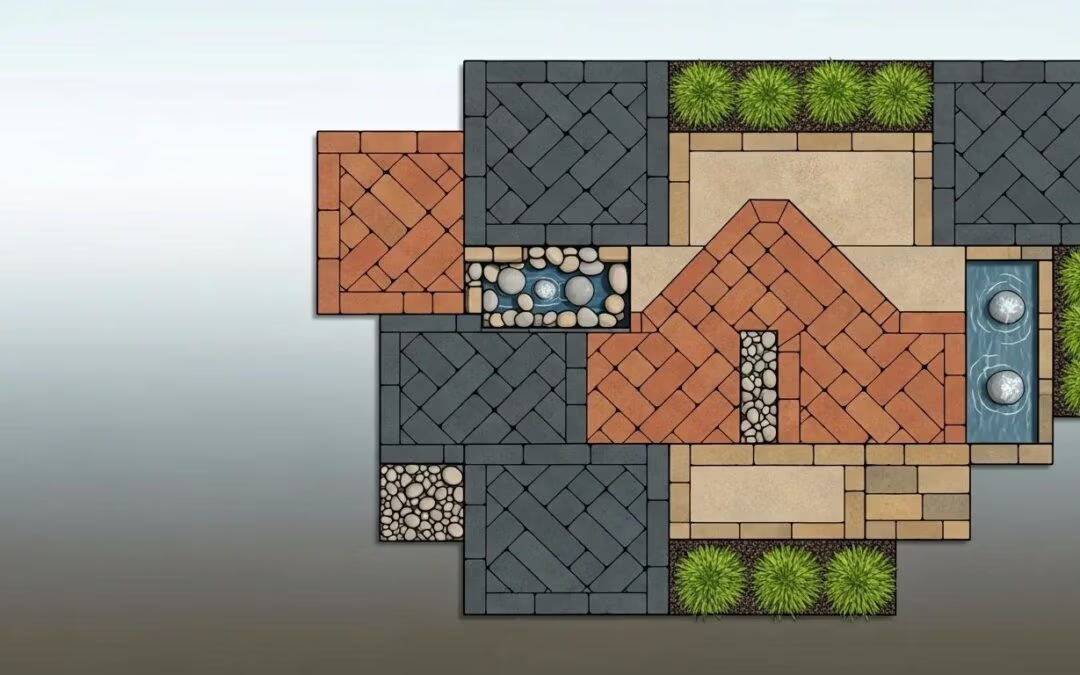
Good paver design balances scale, pattern, color, and engineering so patios, walkways, and driveways boost curb appeal while handling runoff and freeze‑thaw stress. Start with a site review—sun exposure, slope, and how paths connect to entries—then choose materials, patterns, and features like fire pits or outdoor kitchens. Larger pavers can make small patios feel roomier; herringbone or basketweave patterns add texture along paths. Mixing materials—porcelain stepping stones in gravel or concrete pavers with a natural stone border—creates contrast while keeping the system functional.

For Utah County, focus on grading for drainage, slip‑resistant surfaces for snowy months, and smooth transitions at door thresholds for accessibility. Plan edge restraints and base thickness alongside aesthetics so the hardscape stays stable through seasonal cycles. Below are popular local ideas and tips for integrating outdoor features safely and attractively.

What Are Popular Patio and Walkway Design Ideas for Utah County Homes?

  1. Large-format porcelain patios: Clean, modern look with low upkeep and wider joints for drainage.
  2. Herringbone concrete paver driveways: A structural pattern that helps distribute loads and resist shifting.
  3. Mixed-material pathways: Natural stone borders paired with concrete or brick field pavers for contrast.
  4. Integrated step-and-planter designs: Terraced steps that handle slope and add planting beds.

In short: mixing materials lets you highlight focal areas while using more economical pavers for larger field areas—balancing design, function, and budget without sacrificing longevity.

How Do Outdoor Features Like Fire Pits and Kitchens Integrate with Paver Hardscaping?

Adding fire pits and outdoor kitchens to a paver project means thinking about heat tolerance, structural support, and safe clearances. Choose materials near heat—dense natural stone or porcelain work well—and avoid combustible finishes or very fine polymeric sand right next to open flames. Outdoor kitchens often need a reinforced subbase for heavy appliances or concrete counters, which means a deeper compacted aggregate layer to prevent settling.

Siting is important: keep fire pits and grills away from overhangs and follow manufacturer clearance recommendations. Design seating areas with durable pavers that match the palette and slope surfaces away from structures to manage runoff. These considerations affect cost, since added reinforcement and features increase installation complexity and price.

What Is the Cost to Install Pavers in Spanish Fork, UT?

Paver installation cost depends on material choice, site prep, base depth and compaction, pattern complexity, edging, drainage needs, and any permits or retaining walls. Concrete and brick are usually more affordable per square foot; porcelain and select natural stone cost more. Quality installation—proper base, edge restraint, and compaction—often saves money over time by reducing repairs. The table below shows average local cost ranges and the main factors that impact pricing in Spanish Fork.

Project TypeAverage Cost per sq ftRange & Key Cost Drivers
Patio (standard)$12 - $30Material choice, base depth, pattern complexity
Walkway$10 - $25Width, edging, existing landscaping removal
Driveway (pavers)$20 - $45Load requirements, base compaction, drainage, edge restraints

Which Factors Affect Paver Installation Pricing Locally?

Local cost drivers in Spanish Fork include site access, existing landscaping removal, soil correction or retaining walls, drainage and frost‑protection measures, and the season. Deeper excavation for poor subgrade or slope correction raises labor and aggregate costs. Base material—crusher fines versus compacted gravel—changes both upfront cost and long‑term performance. Complex patterns and detailed edging require more cutting and skilled labor; added elements like steps, planters, or lighting will increase the estimate.

  1. Site preparation needs: Complex grading and debris removal increase cost.
  2. Base and drainage requirements: Deeper, engineered bases and French drains add materials and labor.
  3. Pattern and finishing: Custom patterns, borders, and cut pavers take more time to install.

Knowing these drivers helps homeowners choose where to invest for longevity and where to save—next we show sample averages for common projects.

What Are the Average Cost Ranges for Different Paver Projects in Spanish Fork?

These examples give realistic budget ranges for common project sizes under typical site assumptions. They help set expectations for materials and labor in Spanish Fork.

Project ExampleAverage Range (total)Notes & Assumptions
400 sq ft patio (concrete pavers)$4,800 - $12,000Assumes 6–8" compacted base, standard pattern
100 ft walkway (brick)$1,000 - $2,500Includes edging and modest grading
600 sq ft paver driveway$12,000 - $27,000Requires engineered base for vehicle loads

Why Choose J&H Landscaping for Your Spanish Fork Paver Installation?

Picking a trusted local contractor protects your hardscape investment. J&H Landscaping, operating from Provo and serving Spanish Fork and Utah County, specializes in hardscaping and concrete work with a focus on paver installations for patios, walkways, driveways, and outdoor features. We pride ourselves on clear, honest pricing, responsive communication, and workmanship that lasts—using durable materials and precise installation to deliver clean lines and long‑term performance. Our local experience helps homeowners match paver choice to site conditions and maintenance plans, lowering lifecycle costs while improving curb appeal.

What Unique Benefits Does J&H Landscaping Offer for Hardscaping Projects?

J&H Landscaping focuses on what matters to homeowners: transparent estimates, dependable communication, durable materials, and punctual crews. We provide clear quotes that explain cost drivers, return calls quickly, and schedule work to meet agreed timelines. Our teams emphasize proper materials and installation details that produce straight lines and lasting surfaces designed to resist seasonal stress. Projects typically begin with a site visit, a written estimate outlining materials and steps, a scheduled start date, and an on‑time finish.

That clear process reduces surprises and helps homeowners plan financing and landscaping around construction windows. For clients who value reliability and straightforward communication, these procedures show how J&H puts quality and clarity first.

How Do Client Testimonials Reflect J&H’s Expertise in Spanish Fork?

Client feedback on project pages and galleries highlights recurring themes: prompt communication, attention to clean lines, and durable results suited to local climate conditions. Reviews often mention responsiveness during the quote phase and satisfaction with final installations—especially drainage and base prep, which are critical for long‑term performance in Utah County. Our portfolio and client summaries give real examples of completed paver patios, walkways, and driveways so prospective clients can set realistic expectations before requesting an estimate.

These project examples let homeowners see the workmanship and outcomes they can expect when hiring J&H Landscaping.

Design Stunning Paver Patios, Walkways & Driveways in Spanish Fork

Maintaining paver hardscapes is mostly about keeping water out of joints and the base, preserving joint integrity, and dealing with minor settlement early. Regular sweeping, seasonal rinsing, and periodic sealing (when appropriate for the material) reduce staining and keep water from penetrating. Replenishing joint sand or using polymeric joint products prevents lateral movement and weed growth. The table below offers a practical maintenance schedule for Utah County conditions.

Maintenance TaskFrequency / ToolsRecommended Notes
Sweeping and debris removalMonthlyUse a stiff broom and clear organic debris to avoid staining
Power rinsing and spot cleaningAnnuallyUse low‑pressure wash to protect joints; mild detergents for stains
Joint sand replenishment/sealingEvery 2-4 yearsRefill joints and consider a sealant rated for freeze‑thaw climates
Inspection for settlement/cracksAnnuallyFix localized settling early to prevent larger repairs

What Are Best Practices for Paver Cleaning, Sealing, and Repair?

Cleaning and sealing keep pavers looking good and help prevent water from working into joints and the base. Sweep regularly to remove debris, then perform a gentle pressure rinse once a year—keep pressure low so you don’t wash out joint sand. For sealing, choose a product rated for freeze‑thaw climates and apply only when pavers and joints are dry and stable. Small repairs—lifting a few pavers, adding compacted base, and resetting them—are usually DIY friendly; widespread settlement or base failure should be handled by a professional.

  1. Routine cleaning: Sweep monthly to reduce organic buildup.
  2. Annual rinse: Low‑pressure wash to clear pores and joints.
  3. Joint and seal maintenance: Refill joints and reseal every 2–4 years as needed.

Following this schedule and addressing small problems early keeps your hardscape functional and reduces the need for costly replacements after Utah winters.

When Should You Consider Professional Paver Repair or Replacement?

Call a professional when you see systemic issues: widespread settlement, standing water caused by drainage failure, major cracking, or shifting that affects safe use. Small, isolated problems—like a few uneven pavers—can often be fixed by lifting the units, adding compacted base, and resetting. But large‑scale heaving, base failure, or persistent drainage problems require a professional diagnosis and repair to prevent repeat failures.

  1. Red flags for pro help: Persistent pooling, large areas of settlement, or cracking across multiple zones.
  2. Professional remedies: Base re‑engineering, drain installation, edge reinforcement.

Whether to repair or replace depends on the damage extent and the remaining life of the existing installation; an experienced assessment will identify the most cost‑effective approach.

What Should You Know About Hiring a Paver Contractor in Spanish Fork?

Hire a contractor who demonstrates technical know‑how, clear communication, proper insurance and warranties, and local experience with Utah County conditions. Look for familiarity with ICPI guidelines, a written scope and transparent pricing, and references from similar local projects that show good drainage and base solutions. Ask specific questions about base depth, compaction methods, edge restraints, and freeze‑thaw strategies during the estimate to confirm competence. The checklist below helps guide those conversations so you hire professionals who deliver durable, attractive hardscapes.

Before signing, make sure the estimate spells out materials, base specs, cleanup responsibilities, and a firm schedule. Contractors who explain how they manage water, frost‑heave, and edge restraint—rather than only talking about surface aesthetics—are more likely to deliver long‑term value. The next section lists the core qualities to look for when vetting hardscaping experts.

Which Qualities Define a Reliable Hardscaping Expert in Utah County?

  1. Local references and portfolio: Verify work in similar conditions.
  2. Written scope and pricing: Make sure everything is documented.
  3. Insurance and workmanship focus: Confirm coverage and installation standards.

How Does Professional Installation Impact Paver Durability and Appearance?

Professional installation ensures key technical elements—proper base depth, compaction, edge restraint, and jointing—are done consistently to maximize durability and keep the surface looking sharp. A well‑compacted engineered base distributes loads and resists freeze‑thaw movement; a continuous edge restraint prevents lateral migration. Correct jointing sand or polymeric material locks pavers together, reduces weeds, and limits water infiltration. Skilled installers also cut pavers cleanly for tight borders and patterns that reduce trip hazards and keep visual harmony.

Quality workmanship reduces long‑term maintenance and avoids short‑term savings that lead to repeat repairs. Investing in proper installation pays back through fewer repairs, better drainage, and consistent curb appeal. When you’re ready to move forward, the paragraph below explains how to request a local estimate.

For homeowners in Spanish Fork considering pavers, J&H Landscaping in Provo offers on‑site assessments, honest written estimates, and scheduling designed to keep projects on time and on budget. To request an estimate or schedule a site visit, call our office and ask for Jackson (the owner) to review your project scope and timing. A short site assessment leads to a clear proposal that outlines materials, base design, drainage plans, and a timeline so you can proceed with confidence.

Frequently Asked Questions

What are the benefits of using permeable pavers for hardscaping?

Permeable pavers let water pass through the surface, reducing runoff and helping groundwater recharge—useful in Spanish Fork for managing seasonal runoff. They reduce flooding and erosion, cut the need for conventional drainage, and still offer flexible design options. Permeable systems can also support greener, more sustainable landscaping when paired with the right base and subgrade.

How do I choose the right paver color for my outdoor space?

Pick a paver color that complements your home and landscape. Lighter tones make areas feel larger; darker tones create a cozier feel. Consider how colors change in morning, afternoon, and evening light, and test samples on site when possible. Also think about surrounding plantings and structures—colors that harmonize with nearby materials will give you the most pleasing result.

What maintenance is required for natural stone pavers?

Natural stone needs routine care to keep its look and performance. Sweep and rinse regularly to prevent staining. Depending on the stone, seal every few years to protect against moisture and spots. Inspect for cracks or settling and address problems early. Use cleaning products that are safe for natural stone to avoid discoloration or surface damage.

Can I install pavers myself, or should I hire a professional?

DIY paver installation is possible for small, simple projects, but hiring a pro is usually recommended for best results. Professionals ensure proper base prep, drainage, and installation techniques that improve durability and appearance and help with permits if required. If you go the DIY route, study best practices and invest in quality materials and tools to avoid costly mistakes.

What are the environmental impacts of using pavers in landscaping?

Pavers have both positive and negative environmental effects. Permeable pavers reduce runoff, erosion, and help recharge groundwater. They can also reduce localized heat by allowing infiltration. On the downside, production and transport of paver materials produce emissions. Choosing locally sourced materials and eco‑friendly options helps reduce the footprint and supports sustainable landscaping practices.

How do seasonal changes affect paver performance?

Seasonal changes influence paver performance, especially in freeze‑thaw regions like Spanish Fork. Winter freeze‑thaw can damage pavers if water gets into joints or the base. Proper installation—good drainage and base prep—minimizes these issues. Summer heat can cause some materials to expand and UV exposure can fade colors. Regular maintenance like sealing and replenishing joint sand helps extend paver life through seasonal cycles.

Conclusion

Choosing the right pavers for Spanish Fork will improve your outdoor space while providing the durability needed for our climate. Understanding how concrete, brick, natural stone, and porcelain perform helps you balance looks, function, and upkeep. Working with a trusted local contractor like J&H Landscaping ensures professional installation and long‑term satisfaction with your hardscape. When you’re ready, request a personalized quote to get a clear plan and pricing for your project.